
Rosalia's Amsterdam
Amsterdam is much more than canals and postcard-perfect houses. Over the centuries, it evolved from a small fishing settlement into one of the world's most influential trading cities and, later, a modern cultural capital. These five museums tell that story through art, architecture, trade, religion, and the lives of the people who shaped the city. Together, they offer one of the best journeys through Amsterdam's past.
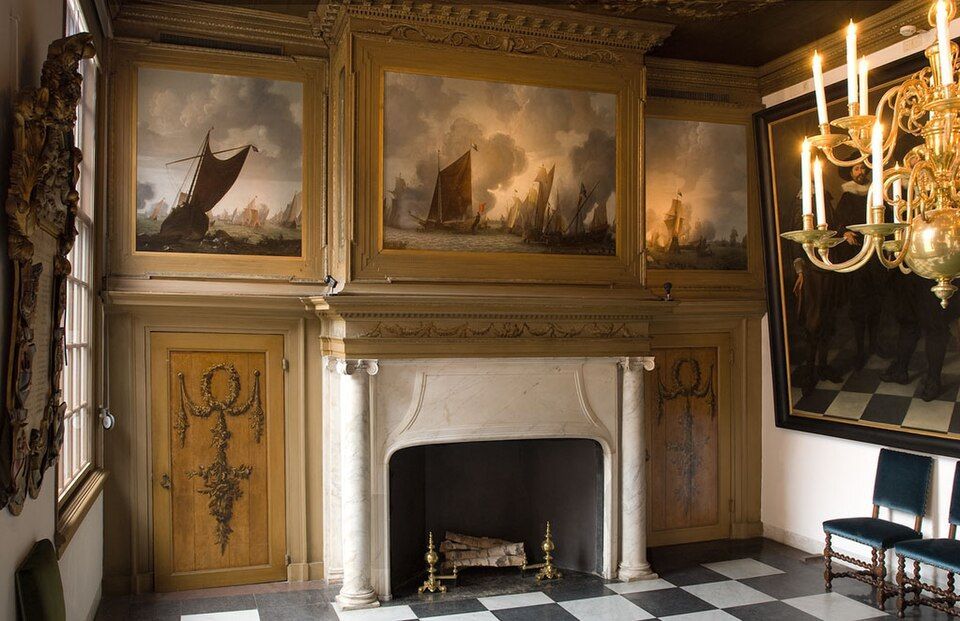
The Amsterdam Museum provides the perfect introduction to the city. Through paintings, maps, artifacts, photographs, and multimedia exhibitions, it traces Amsterdam's development from a medieval settlement to a global trading hub and modern metropolis. The museum focuses not only on major events but also on the everyday people whose stories shaped the city's identity.
Amsterdam Museum
Museum of the Canals (Grachtenmuseum)
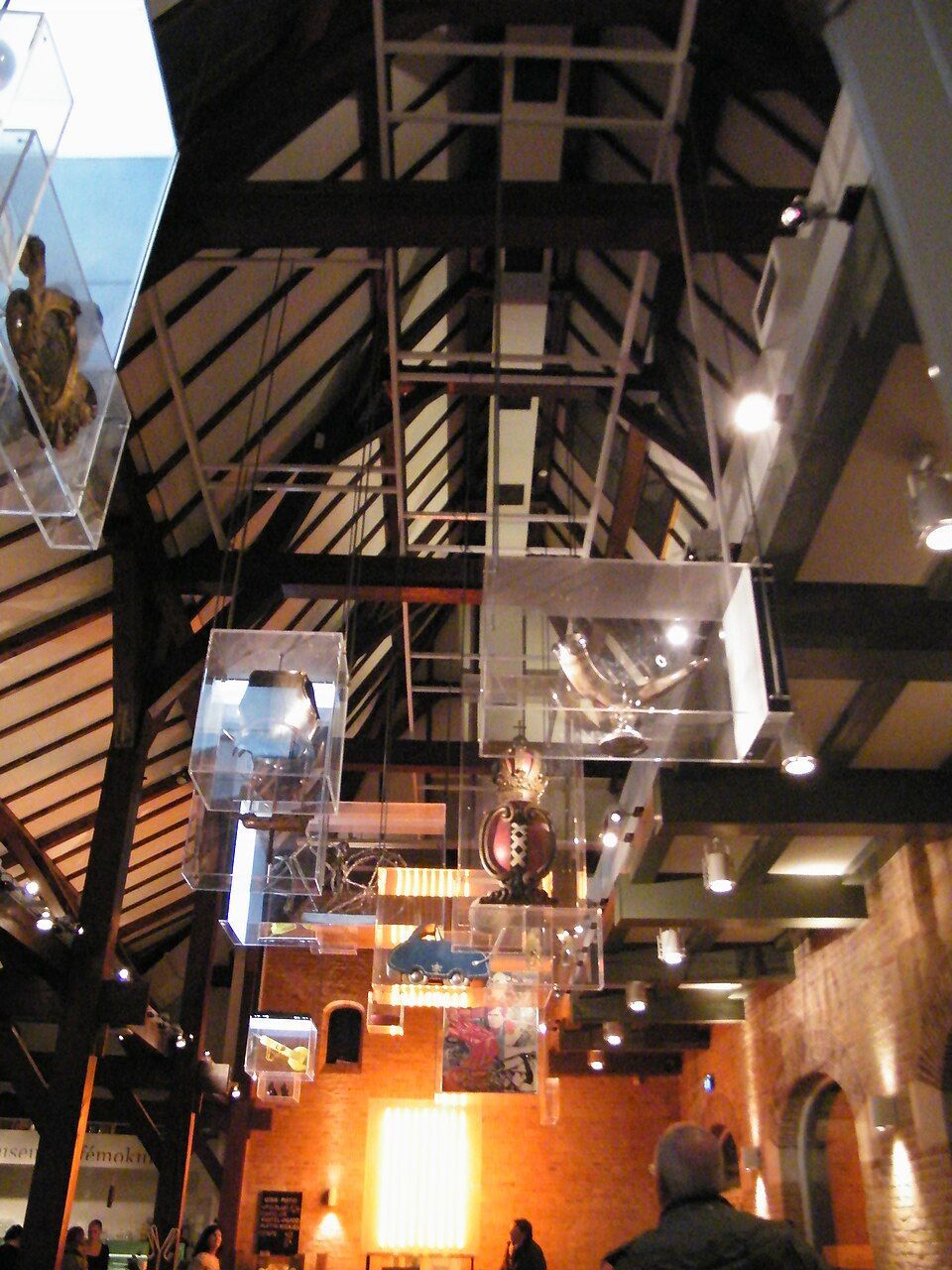
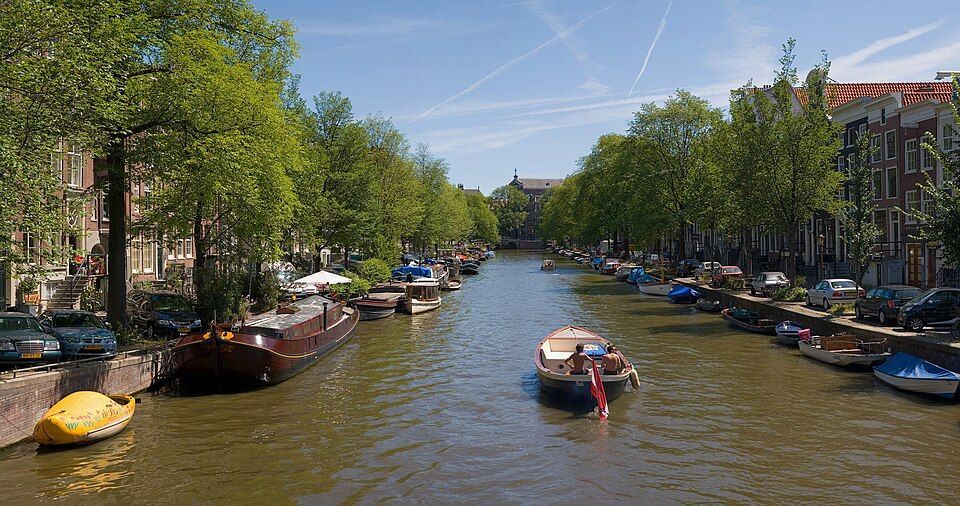
Amsterdam's canals are more than beautiful scenery. They are the foundation of the city's rise during the Dutch Golden Age. Through immersive multimedia exhibits, scale models, and historic interiors, the museum explains how the canal belt was planned, built, and inhabited over four centuries. It offers fascinating insight into one of the world's most successful urban development projects.
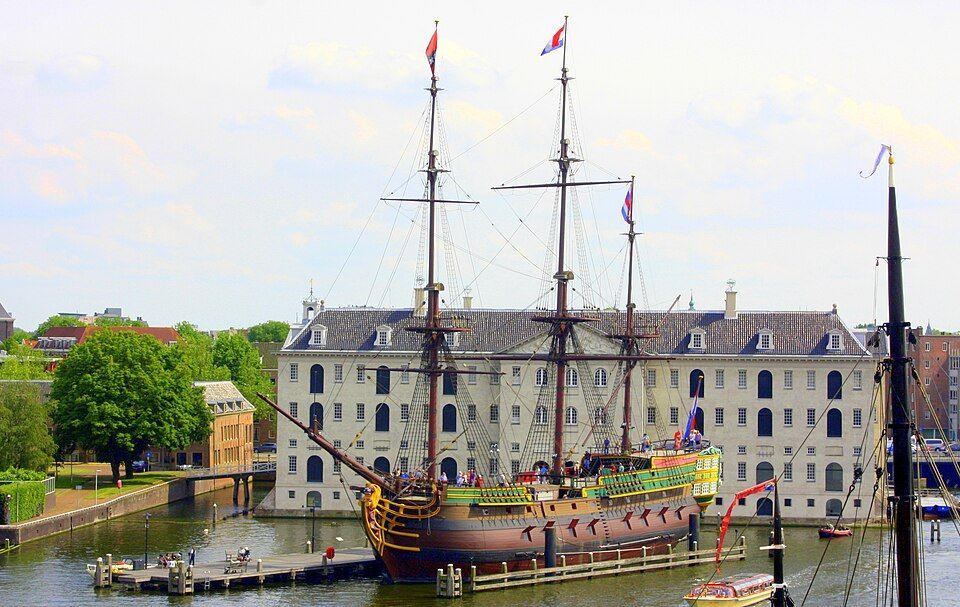
Amsterdam became wealthy through shipping and international trade. The National Maritime Museum explores the city's relationship with the sea, from exploration and navigation to the Dutch East India Company and global commerce. Exhibits reveal how Amsterdam's merchants, sailors, and shipbuilders transformed a small port into the commercial center of the 17th-century world.
National Maritime Museum (Het Scheepvaartmuseum)
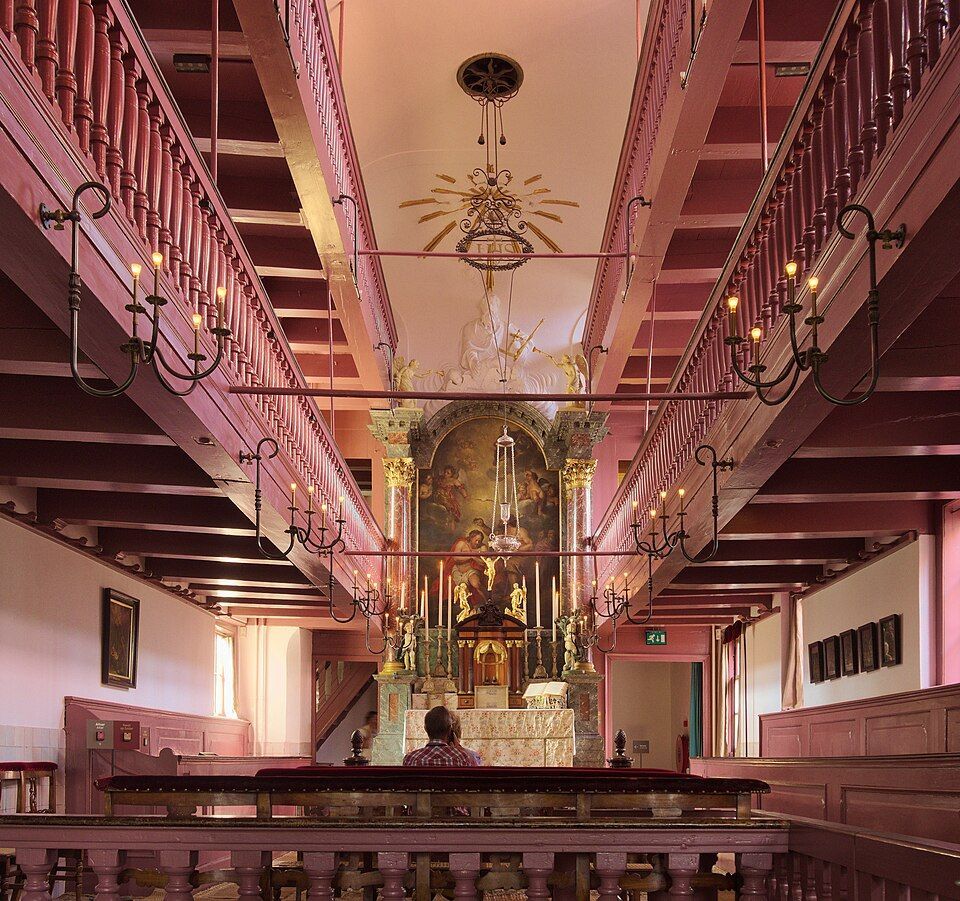
Museum Ons' Lieve Heer op Solder (Our Lord in the Attic)
Hidden inside a 17th-century canal house lies one of Amsterdam's most extraordinary historical treasures: a secret Catholic church. Built during a time when public Catholic worship was forbidden, the museum illustrates the city's unique culture of tolerance. Visitors pass through preserved living quarters before reaching the spectacular church hidden beneath the roof.
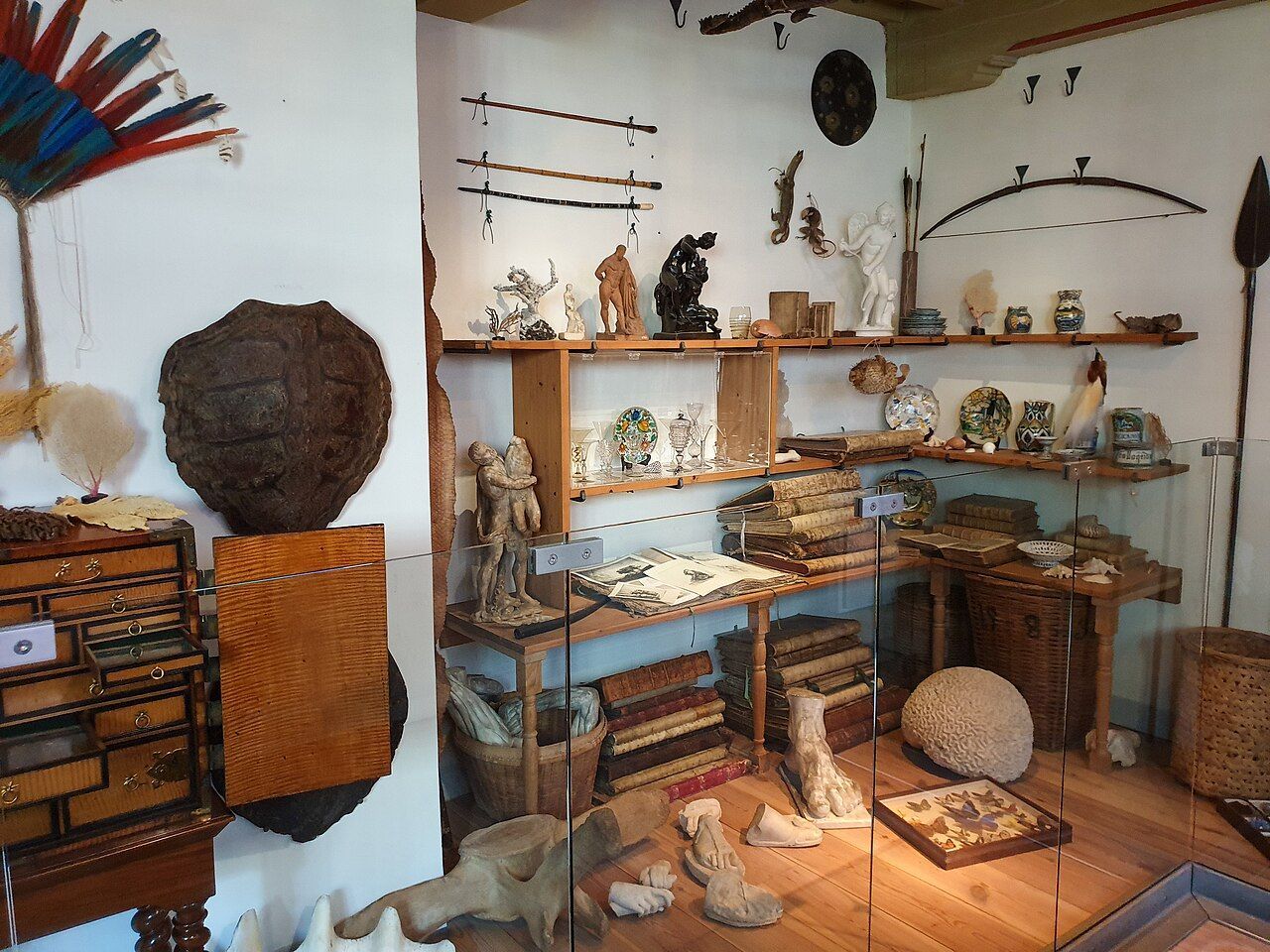
Located in the home where Rembrandt lived and worked between 1639 and 1658, this museum offers an intimate look at Amsterdam during its Golden Age. Restored rooms, printmaking demonstrations, and original etchings bring the artist's world to life. The museum reveals how the city's prosperity fostered creativity and helped make Amsterdam one of Europe's leading cultural centers.
Rembrandt's house
A City of Living Museums
These five museums tell the complete story of Amsterdam: its origins, its canals, its maritime empire, its tradition of tolerance, and its cultural achievements. Together, they provide a deeper understanding of the city than any single museum can offer, making them essential stops for visitors who want to look beyond the postcard image of Amsterdam and discover the forces that shaped it.